
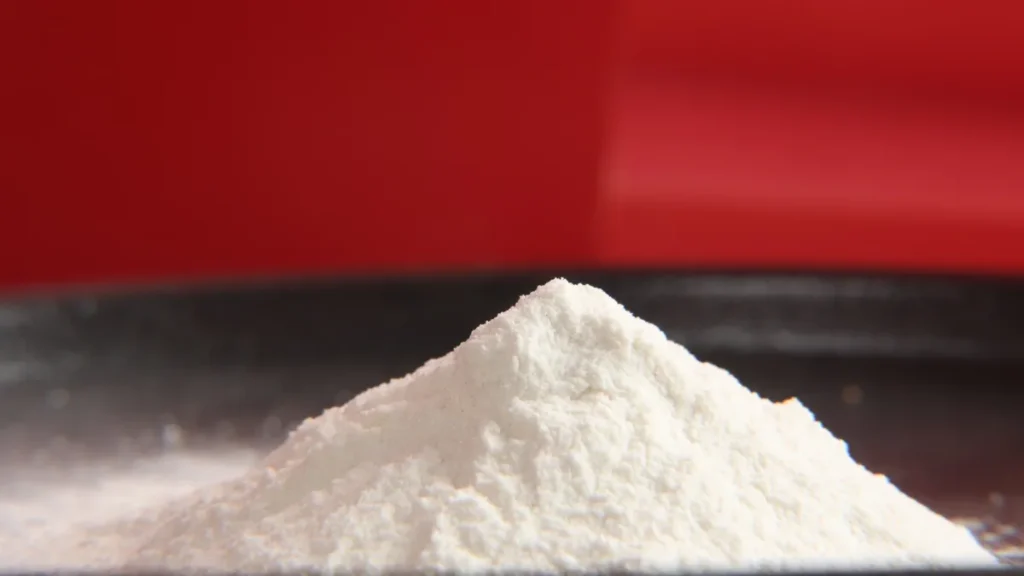
Complex food formulations rarely follow a simple “one ingredient, one solution” model. A single hydrocolloid may provide viscosity but create the wrong mouthfeel, or form a strong gel without sufficient water stability. Compound thickeners combine materials so that their functions complement one another. The objective is not to add more ingredients; it is to achieve a controlled balance of processing behavior and finished-product performance.
A single performance target is rarely enough
Food texture is multidimensional. A sauce must flow through equipment, remain stable in the package and feel clean rather than pasty. A gelled product may need firmness, elasticity and limited syneresis. A processed meat may require water retention, slice integrity and an acceptable bite after heating and cooling.
One hydrocolloid can contribute to several of these requirements, but its strengths may not align perfectly with the whole target. Increasing the level to solve one problem may create another, such as excessive viscosity, brittleness or adhesiveness. Compound design provides another route: combine distinct functional behaviors instead of forcing one polymer to perform every role.
Complementary functions can create a better balance
A compound system may pair a strong viscosity builder with a gum that changes gel elasticity or water release. Another combination may use a protein-interactive hydrocolloid alongside starch or fiber. The resulting structure reflects the interaction among all components, not only their individual properties.
The functional targets commonly considered include viscosity during processing, gel strength after cooling, moisture retention, suspension, freeze-thaw behavior and mouthfeel. The relative importance of each target should be agreed before the blend is designed. The compound thickener overview is a useful starting point for discussing those requirements.
Hydrocolloid interactions may be synergistic
Some hydrocolloid pairs form a network or viscosity profile that is different from the simple sum of each material used alone. Konjac gum, for example, can interact with selected carrageenan systems to modify gel strength and elasticity. Other combinations can adjust yield stress, suspension or the rate at which structure rebuilds after shear.
Synergy is not guaranteed. It depends on polymer type, ratio, molecular characteristics, ions, pH and processing. A blend that performs well in water may behave differently when protein, sugar or salt is added. The term “compound” therefore describes a formulation strategy, not evidence that every blend is automatically superior.
Processing performance is part of the formulation
Industrial systems must be dispersible, pumpable and consistent across batches. A highly effective thickener can still be unsuitable if it hydrates too quickly for the available mixing equipment or creates excessive viscosity before filling. Compound systems can be designed to manage the development of viscosity through the process, but addition order and temperature remain critical.
Trials should document dry blending, powder addition, shear, hydration time, heat treatment and cooling. The material should also be assessed after the mechanical stress it will experience in transfer lines, homogenization or filling. These checks connect laboratory texture measurements to actual manufacturing conditions described in the DEHUI application fields.
Cost efficiency must be evaluated, not promised
A compound thickener may improve cost efficiency when it reaches the required texture at a practical use level, simplifies handling, reduces process variation or prevents unacceptable batches. It may also cost more than a single gum and still be justified by better product performance. Raw ingredient price alone does not provide the full comparison.
A responsible commercial review considers total use cost, process time, consistency, packaging loss, storage behavior and supplier support. Without controlled application data, it is inappropriate to promise a fixed cost reduction. The economic conclusion should follow the technical trial rather than precede it.
Build compound systems around real application conditions
The development brief should state product type, composition, pH, salts, sugar or protein level, processing temperature, shear, storage and target texture. A baseline using the current system allows candidate blends to be compared fairly. Testing should include both immediate results and the relevant shelf or temperature cycle.
Compound thickeners are most useful when they solve a defined formulation problem and remain practical in production. R&D teams can review DEHUI’s application and manufacturing capabilities, then use the contact page to share the conditions needed for a focused evaluation.
Frequently Asked Questions
What is a compound thickener?
A compound thickener is a formulated combination of functional ingredients designed to deliver a defined balance of viscosity, gel behavior, water control, stability and processing performance in a particular food system.
Why blend hydrocolloids instead of using one gum?
Different hydrocolloids contribute different flow, gel and water-management behavior. A controlled blend may use complementary or synergistic interactions to reach a texture that is difficult to obtain from one material alone.
Are compound thickeners always more cost-effective?
No. Cost effectiveness depends on use level, process reliability, finished-product quality, waste and supply requirements. A compound system should be evaluated against technical and commercial targets without assuming a guaranteed saving.
Does a compound system need application testing?
Yes. Ingredient interactions depend on pH, salts, proteins, sugar, temperature, shear and addition order. Testing in the real formulation and process is necessary before a compound system can be selected.